๐Ÿ›ก๏ธ VoltPro Compliance

Electrical Compliance

Electrical compliance saves lives

Independent compliance auditing, inspection and practical guidance for dutyholders, landlords and businesses, from the team that designs electrical installations. We help you understand what the law expects, where your installation stands, and what to do next.

โœ“
GB & Northern Ireland law
โœ“
Clear written reports
โœ“
Free quotes

Formerly Electcompliance. Electcompliance is now part of VoltPro Design Limited, so you can get design and compliance from one team.
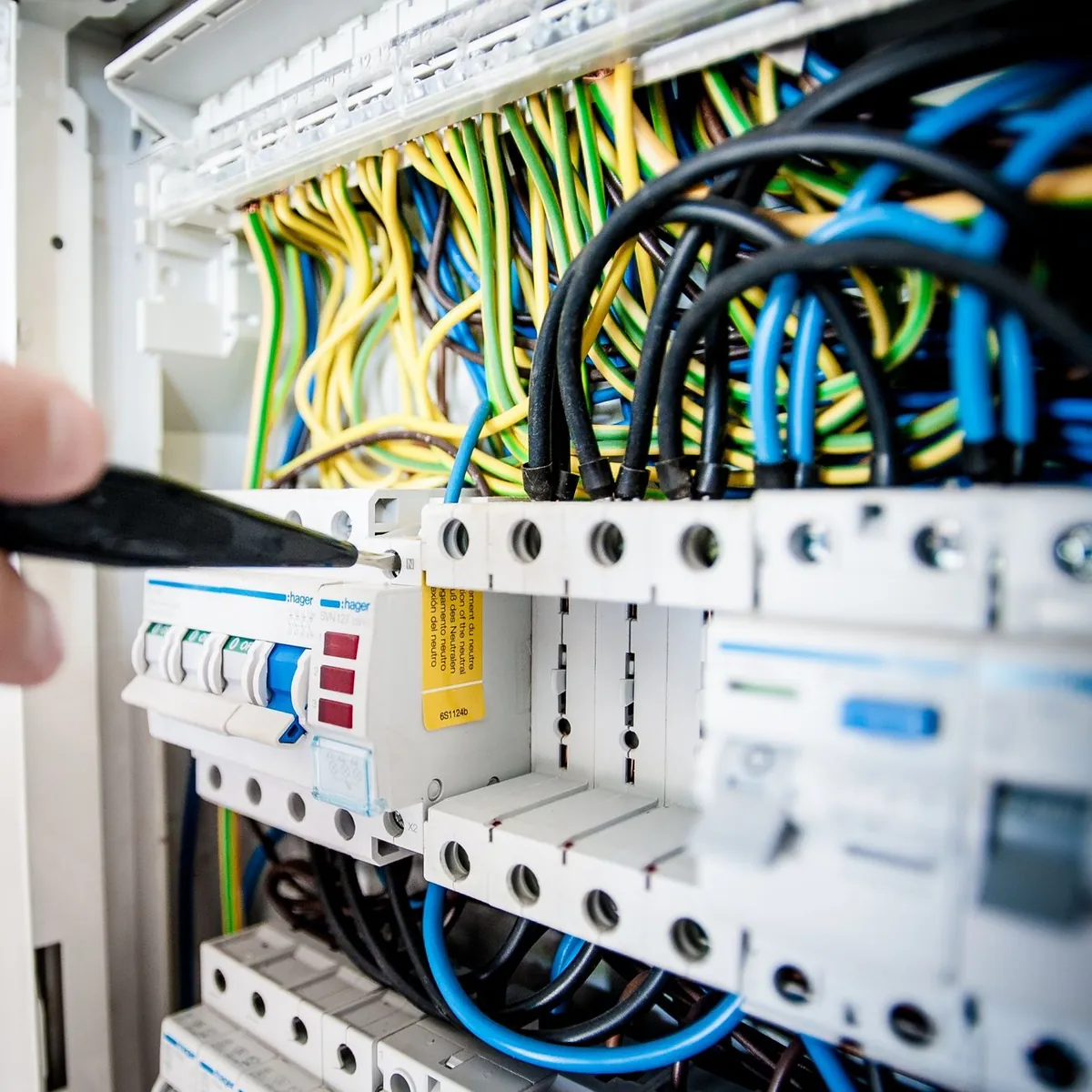
Circuit breakers in an open consumer unit being checked with a voltage tester
๐Ÿ›ก๏ธ Electrical compliance saves livesProtecting people and property in homes, schools and workplaces

Our Mission

Every electrical installation should be safe, legal and fit for purpose. We help the people responsible for them get there.

Electrical compliance is our passion

Electrical faults cause fires, injuries and deaths, and many of them are preventable. Our engineers audit installations against the legislation and standards that apply to them and explain the findings in plain English.

We work with dutyholders, including landlords, housing providers, schools, employers and facilities managers. Together we identify gaps, set priorities and plan remedial work, so that people and property are protected and you can show you've met your duties.

Because VoltPro also designs electrical installations, our recommendations are practical. When something needs to change, we can design the fix as well.

๐Ÿ”

Audit

We review installations, records and certificates against the applicable law and BS 7671.

๐Ÿ“‹

Report

You get clear, prioritised findings showing what needs attention, why it matters and how urgent it is.

๐Ÿ“

Resolve

Where remedial or upgrade work is needed, our design team can specify it to BS 7671.

Understanding UK Electrical Legislation

Electrical safety law is not the same everywhere in the UK. Great Britain (England, Scotland and Wales) and Northern Ireland have parallel but separate legislation. Here's how it fits together, from the primary law down to the technical standard.

Tier 1

Primary legislation

The overarching legal duty to protect people

Great Britain

Health and Safety at Work etc. Act 1974

Employers, the self-employed and those in control of premises must ensure, so far as is reasonably practicable, the health and safety of employees and others affected by their work. Enforced by the HSE and local authorities.

Northern Ireland

Health and Safety at Work (Northern Ireland) Order 1978

This is Northern Ireland's equivalent of the 1974 Act, with the same general duties. Enforced by HSENI (Health and Safety Executive for Northern Ireland) and district councils.

Tier 2

Electrical safety regulations

Specific legal duties for electrical systems at work

Great Britain

Electricity at Work Regulations 1989

Made under the 1974 Act. Electrical systems must be constructed and maintained so as to prevent danger, so far as is reasonably practicable, and work on or near them must be done safely by competent people.

Northern Ireland

Electricity at Work Regulations (Northern Ireland) 1991

Made under the 1978 Order. They impose essentially the same duties on construction, maintenance and competence as the GB regulations.

Tier 2

Risk assessment

Duty to identify and control risks, including electrical risks

Great Britain

Management of Health and Safety at Work Regulations 1999

Employers must carry out a suitable and sufficient assessment of risks to employees and others, and put appropriate controls in place.

Northern Ireland

Management of Health and Safety at Work Regulations (Northern Ireland) 2000

This is the Northern Ireland equivalent and carries the same risk assessment duty.

Tier 3

Building regulations

Rules for new electrical work in buildings

Great Britain

England & Wales: Building Regulations 2010, Part P

Part P (Electrical safety โ€“ dwellings) covers electrical installation work in homes. Notifiable work must be self-certified by a registered competent person or approved by building control.

Scotland has its own building standards system under the Building (Scotland) Regulations 2004.

Northern Ireland

Building Regulations (Northern Ireland) 2012

Northern Ireland has no direct equivalent of Part P. Electrical installations fall outside the scope of these regulations, and NI's own "Part P" covers sanitary and hot water systems instead. Electrical work is still expected to follow BS 7671 and must meet the Tier 1 and Tier 2 duties where they apply.

Tier 3

Rented homes

Specific duties for private landlords

Great Britain

Electrical Safety Standards in the Private Rented Sector (England) Regulations 2020

Private landlords in England must have the fixed electrical installation inspected and tested by a qualified person at least every five years and give the report to tenants. Wales and Scotland have their own landlord requirements.

Northern Ireland

Electrical Safety Standards for Private Tenancies Regulations (Northern Ireland) 2024

These regulations have been in operation since 1 April 2025. Private landlords must have the electrical installation inspected and tested by a qualified person at least every five years, and give tenants a copy of the report.

Houses in multiple occupation (HMOs) remain under the licensing scheme in the Houses in Multiple Occupation Act (Northern Ireland) 2016. See our Landlord & HMO Compliance Packages โ†’

Tier 4 ยท Standard

Technical standard

Non-statutory, and it applies UK-wide

BS 7671: Requirements for Electrical Installations (IET Wiring Regulations, 18th Edition)

The current version is BS 7671:2018+A4:2026. BS 7671 is a British Standard, not a law in itself. It is the recognised benchmark for the design, installation, inspection and testing of electrical installations in both Great Britain and Northern Ireland. Following it is generally accepted as a good way to show you've met the legal duties above, and the landlord regulations in England and Northern Ireland refer to it directly.

How we help: We work out which of these requirements apply to your premises and audit your installation against them. Then we give you clear, prioritised recommendations, applying Northern Ireland law where it differs from Great Britain.

This summary is for general information only and is not legal advice. Duties depend on your circumstances, so please ask us or a legal adviser about your specific situation.

Sectors We Serve

Electrical compliance services for every kind of environment, from family homes to industrial sites.

Domestic

Electrical safety inspections, EICR reviews and compliance checks for homeowners and private landlords.

Landlord & HMO packages โ†’

Social Housing

Portfolio compliance reviews, tenant safety checks and installation audits for housing associations and providers.

Education

Compliance audits for schools, colleges and universities, scheduled to keep disruption to teaching to a minimum.

Commercial

Office, retail and hospitality compliance that helps businesses protect staff and customers.

Industrial

Compliance audits for factories, warehouses and plant, covering heavy-duty and three-phase installations.

Why Choose VoltPro for Compliance?

Practical compliance support from people who design electrical installations as well as audit them.

๐Ÿ›ก๏ธ

Protecting Dutyholders

We help you understand your duties, reduce risk and keep the records that show what you've done.

โš–๏ธ

GB & NI Knowledge

We know the legislation on both sides of the Irish Sea and where it differs.

๐Ÿ“‹

Clear Reports

Our findings are documented and prioritised, with recommendations you can act on.

๐Ÿ“

Design + Compliance

When remedial work is needed, our design team can specify it, so you deal with one team from start to finish.

Design, Assess, Comply: One Team

VoltPro covers the whole life of an electrical installation, from the first drawing to ongoing compliance.

Step 1 ยท Design

Electrical Design

We produce professional electrical designs to BS 7671 for residential, commercial and industrial projects, from house rewires to LV distribution.

View Design Services
Step 2 ยท Assess

Free Risk Assessment Tool

Our free online tool helps you carry out a dynamic risk assessment before electrical work starts, rate the risk and download a PDF record.

Try the Free Tool
Step 3 ยท Comply

Compliance Auditing

Independent audits of existing installations against GB or Northern Ireland law and BS 7671, with clear recommendations.

Request a Compliance Quote